

Thai Massage, A Traditional Healing Practice That Helps the Body Feel Better Naturally
Thai Massage is one of those wellness practices that many people have heard of, but not everyone fully understands. Some people think it is just regular massage with a different name. Some think it is only about stretching. Others know it as a relaxing treatment for tired muscles after a long day. The truth is that Thai Massage is much more than that.
Thai Massage is a traditional bodywork practice that combines pressure, stretching, movement, and energy line work to help the body feel balanced, lighter, and more relaxed. It has been used for generations and is still widely appreciated today by people who want relief from muscle tension, stiffness, stress, and physical fatigue.
What makes Thai Massage stand out is the way it works with the whole body. Instead of only focusing on one sore area, it often looks at how the body moves as a whole. That is why many people feel not only relaxed after a session, but also more flexible, more mobile, and more refreshed overall.
What Is Thai Massage
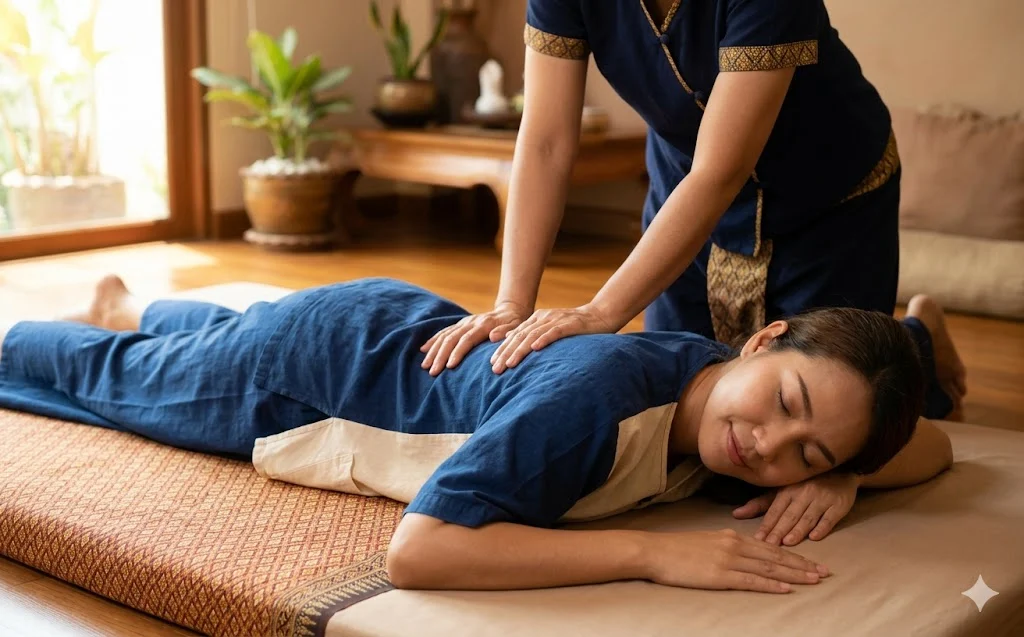
Thai Massage is a traditional form of massage therapy that uses a combination of acupressure, assisted stretching, gentle pulling, body positioning, and rhythmic pressure along specific lines of the body. It is often performed on a mat rather than on a massage bed, and the person receiving the treatment usually stays fully clothed in comfortable clothing.
Unlike oil massage, Thai Massage does not mainly rely on smooth gliding movements over the skin. Instead, the therapist uses hands, thumbs, elbows, forearms, knees, and sometimes feet to apply pressure and guide the body through stretches.
Because of this, Thai Massage can feel very different from other massage styles. It may feel calming and grounding in one moment, then deeply stretching and energizing in the next. Many people describe it as a mix of massage, assisted yoga, and body alignment work.
The Traditional Roots of Thai Massage
Thai Massage has a long history and is closely connected with traditional healing practices in Thailand. It is often seen as part of a broader wellness tradition that values the connection between body, mind, energy, and daily balance.
The practice has been passed down over many generations and remains an important part of Thai wellness culture. Even today, Thai Massage is known around the world as one of Thailand’s most recognized traditional therapies.
This long history is one reason why Thai Massage continues to attract people who are looking for something that feels more natural, more holistic, and more connected to traditional healing wisdom.
How Thai Massage Works
Thai Massage works by combining several techniques in one session. The therapist may begin with gentle pressure to help the body settle and relax. After that, pressure may be applied along specific body areas, followed by stretches that help release tightness and improve movement.
The stretches are usually done in a slow and controlled way. The therapist helps move the body into positions that the person might not easily do alone. These movements can help open the hips, loosen the back, relax the shoulders, and reduce tension in the legs.
The pressure work is also an important part of the session. It helps stimulate circulation, soften tight muscles, and create a feeling of release throughout the body.
Because the treatment includes both pressure and movement, Thai Massage often leaves people feeling both relaxed and refreshed at the same time.
Benefits of Thai Massage
One of the biggest reasons people choose Thai Massage is because it helps with physical tension. If someone sits for long hours, stands all day, travels often, or uses the body heavily at work, tight muscles can build up quickly. Thai Massage can help relieve some of that discomfort by encouraging muscles and joints to loosen.
Another benefit is improved flexibility. Many people notice that after a session, their body feels lighter and easier to move. The stretches used during Thai Massage can help reduce stiffness and support a greater range of motion.
Thai Massage is also often chosen for stress relief. When the body is tight, the mind often feels tense too. A good session can help slow things down, release built-up pressure, and create a calmer state overall.
Some people also enjoy Thai Massage because it helps them feel more aware of their body. They begin to notice where they hold tension, where movement feels restricted, and how much better they feel when the body is given proper care.
Who Thai Massage May Be Good For
Thai Massage can be a good choice for many different people. Office workers often enjoy it because it helps release tension in the neck, shoulders, lower back, and hips from long periods of sitting. People who do physical work may also benefit because the treatment can help ease muscle tightness and fatigue.
Travelers often like Thai Massage because sitting on planes, walking for long hours, or carrying bags can make the body feel stiff and tired. A session can help restore comfort and reduce that heavy, tight feeling.
People who feel generally stressed or mentally tired may also enjoy Thai Massage because it creates a strong sense of release and reset.
At the same time, Thai Massage is not always the right fit for every situation. People with certain injuries, recent surgeries, severe pain, or medical conditions should check with a qualified professional before booking a session.
What a Thai Massage Session Usually Feels Like
For people who have never tried Thai Massage before, one common question is what it actually feels like.
The experience can vary depending on the therapist, the style, and the needs of the client. In general, Thai Massage tends to feel more active than a typical relaxing oil massage. There may be firm pressure on certain areas, followed by stretches and movement.
Some stretches may feel intense in a good way, especially if the body is tight. But the session should not feel harsh or out of control. A good therapist works carefully and adjusts the pressure and movement to suit the person.
Many people feel a deep sense of release during the session. Others feel more open, more mobile, and more awake afterward. It is common to feel both relaxed and energized at the same time.
Thai Massage Compared to Other Massage Styles
Thai Massage is often compared with oil massage, deep tissue massage, or Swedish massage, but it has a different rhythm and purpose.
Oil massage is usually focused on smooth flowing movements that help the body relax. Deep tissue massage often targets deeper muscle layers to address tightness and knots. Thai Massage, on the other hand, combines pressure and stretching in a way that works with movement as well as muscle tension.
This is why Thai Massage may appeal to people who want more than simple relaxation. It is often chosen by those who like bodywork that feels active, restorative, and physically opening.
Some people prefer oil massage when they want full rest and softness. Others prefer Thai Massage when they want their body to feel looser, lighter, and more flexible.
Why People Keep Coming Back to Thai Massage
One reason people return to Thai Massage again and again is the overall feeling it gives. It is not only about a single sore point. It is about how the whole body feels after the session.
Many people notice that their posture feels better, their back feels easier, and their shoulders feel less heavy. Some feel that they move more naturally after treatment. Others simply love the feeling of being stretched and released in a way that everyday life rarely offers.
Thai Massage also has a very human and hands-on quality to it. The therapist is not just rubbing muscles. They are working with body position, tension patterns, and overall flow. For many people, that creates an experience that feels deeper and more complete.
How to Prepare for Thai Massage
If you are planning to book a Thai Massage session, it helps to wear or bring comfortable clothing, especially loose clothes that allow movement. Since the session usually involves stretching, tight jeans or very restrictive clothes are not ideal.
It is also good to avoid eating a very heavy meal right before the massage. A lighter stomach usually feels more comfortable during body movement and stretching.
Before the session begins, it is helpful to let the therapist know if you have any pain, tight areas, injuries, or health concerns. Clear communication matters because it helps the therapist adjust the session to your body.
You do not need to be flexible to receive Thai Massage. In fact, many people try it because they feel stiff. A good therapist will work according to your current condition, not according to some ideal level of flexibility.
After a Thai Massage Session
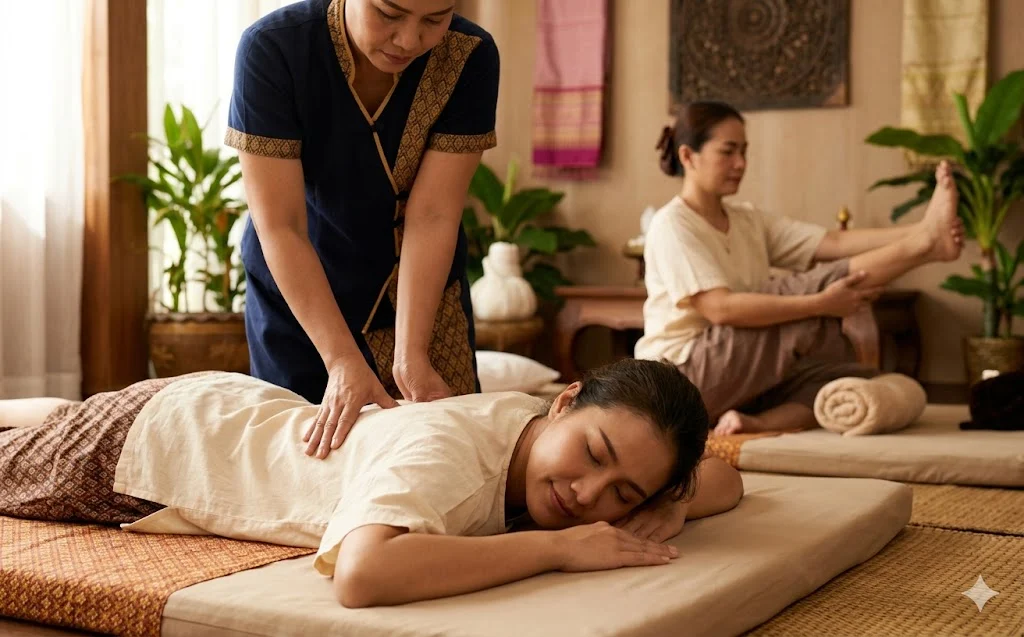
After Thai Massage, many people feel very good right away. The body may feel lighter, more open, and less tense. Some also feel calm, sleepy, or deeply relaxed.
It is a good idea to drink water afterward and give your body a little time to settle. Gentle walking and light movement can also feel nice after a session.
Some people feel mild soreness the next day, especially if their body was very tight before the massage. This can happen when muscles and joints have been stretched more than usual, but it should not feel extreme. If the treatment was done properly, the overall result should feel positive and relieving.
Choosing a Good Thai Massage Experience
Not every massage experience feels the same, so choosing the right place matters. A good Thai Massage session should feel professional, respectful, and well matched to the client’s needs.
The therapist should understand body pressure, movement, and how to adjust the session for different levels of tension and flexibility. Cleanliness, comfort, and communication also matter a lot.
People often have the best experience when they choose a place that takes time to listen, explains the process clearly, and focuses on proper care rather than rushing through the session.
Why Thai Massage Still Matters Today
Modern life creates tension in so many ways. Sitting too long, looking at screens, working under pressure, carrying stress, not moving enough, or overusing the body can all create tightness and discomfort.
Thai Massage still matters today because it offers a natural way to care for the body in the middle of all that. It reminds people to slow down, breathe, stretch, and release tension that builds up over time.
That is probably why Thai Massage continues to stay relevant. It is traditional, but it still fits modern life very well. People may come for muscle relief, better flexibility, or relaxation, but they often leave with a deeper sense of balance than they expected.
Conclusion
Thai Massage is more than just a massage style. It is a traditional healing practice that combines pressure, stretching, movement, and body awareness in a way that helps many people feel better naturally.
For those who want relief from tight muscles, stress, stiffness, or everyday fatigue, Thai Massage can be a valuable option. It offers a different kind of experience from standard massage because it works with the whole body, not just one sore area.
When done well, Thai Massage can help the body feel lighter, more flexible, and more relaxed while also giving the mind a chance to slow down.
.